
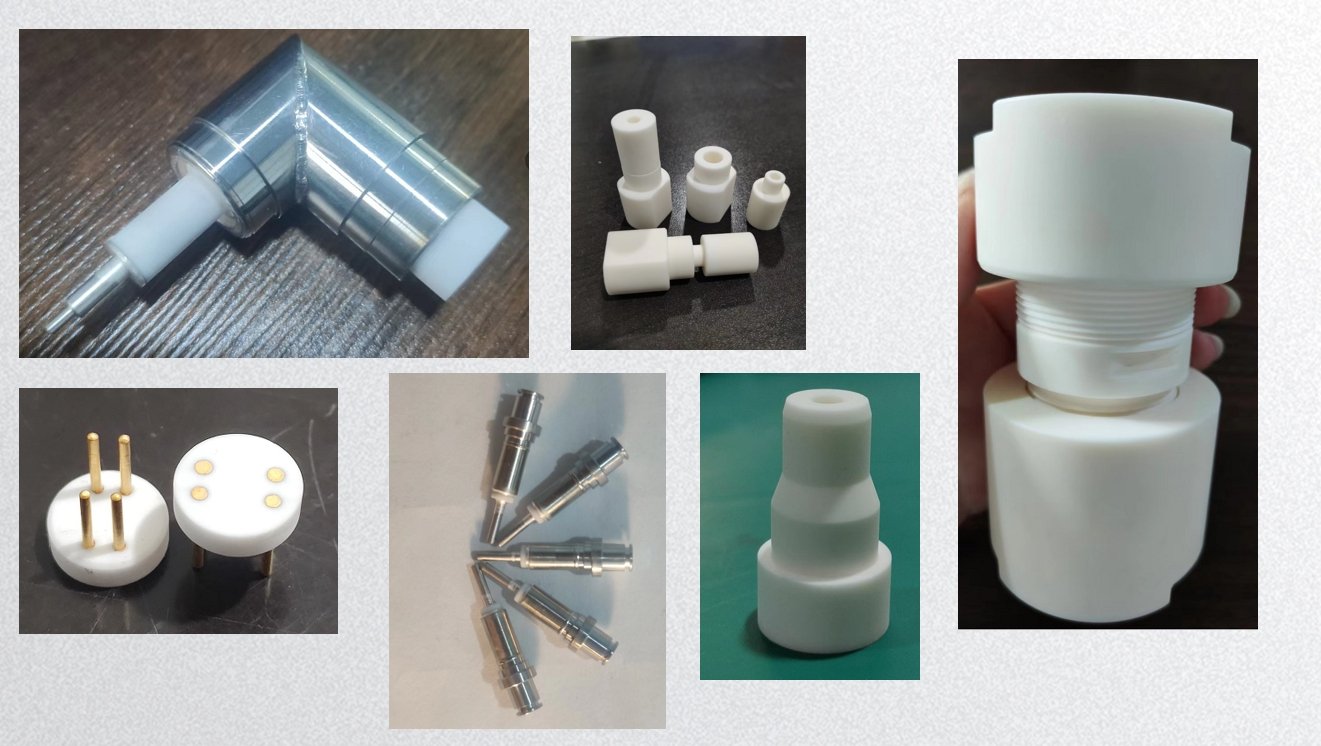
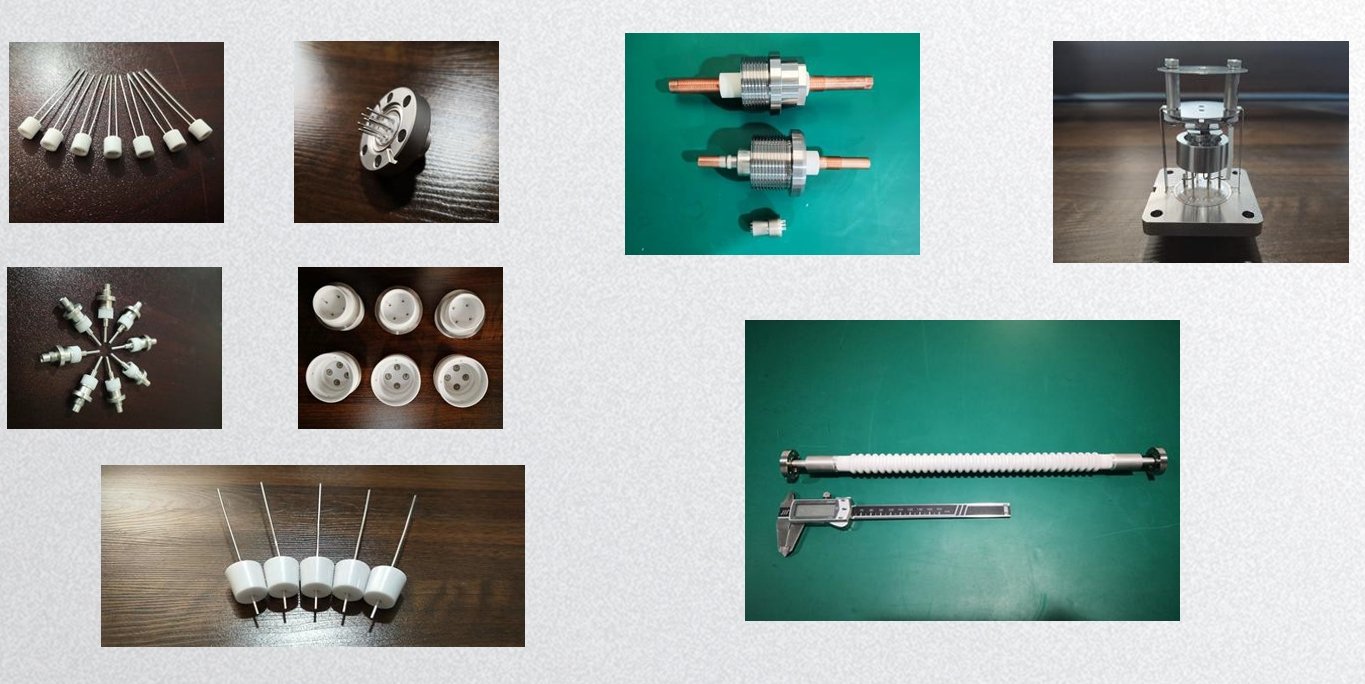
aluminum oxide ceramic / alumina ceramic components / precision alumina ceramic / metallized alumina ceramic / alumina ceramic-to-metal seal / custom alumina ceramic
Alumina ceramic, also known as aluminum oxide (Al₂O₃), is one of the most widely used advanced ceramic materials due to its combination of high electrical insulation, mechanical strength, thermal stability, chemical resistance, and dimensional stability.
Coraynic Technology Limited supplies alumina ceramic materials in several purity grades, including A-95, A-97, A-99, and A-99.8, allowing material selection according to electrical, mechanical, thermal, chemical, and application-specific requirements.
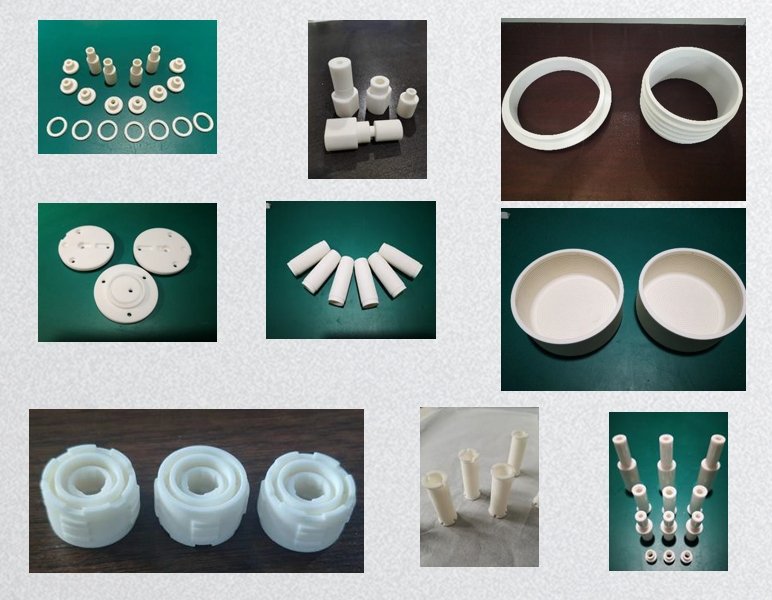
Our alumina ceramics can be manufactured into precision ceramic components, substrates, insulating parts, tubes, rings, discs, feedthrough components, and customized structures. We also provide metallized alumina ceramics and alumina ceramic-to-metal sealing assemblies for applications requiring soldering, brazing, hermetic sealing, or integration with metallic components.
With precision manufacturing capabilities down to the micrometer level, Coraynic supports both customized prototypes and volume production according to customer drawings, specifications, or samples.
Different alumina purity levels provide different combinations of mechanical, electrical, thermal, and chemical properties. Coraynic offers the following commonly used grades:
| Material Grade | Alumina Content | Typical Characteristics | Typical Applications |
|---|---|---|---|
| A-95 | 95% | Good mechanical strength, electrical insulation, thermal shock resistance | Precision ceramic parts, substrates, connectors, vacuum feedthroughs |
| A-97 | 97% | Good chemical stability, insulation, and dielectric performance | High-temperature and high-insulation components |
| A-99 | 99% | High strength, high breakdown strength, excellent corrosion resistance | High-voltage, wear-resistant, semiconductor and precision components |
| A-99.8 | 99.8% | High purity, high density, excellent electrical and dimensional performance | High-purity and demanding precision applications |
Material grade and formulation can be selected according to the required mechanical strength, insulation performance, purity, dimensional stability, corrosion resistance, and operating environment.
A-95 alumina contains approximately 95% Al₂O₃ and provides a practical balance of mechanical strength, electrical insulation, thermal stability, and manufacturability.
A-95 alumina ceramics are suitable for:
A-97 alumina contains approximately 97% Al₂O₃ and is designed for applications requiring a higher level of electrical insulation, chemical stability, and high-temperature performance.
A-99 alumina contains approximately 99% Al₂O₃ and provides higher mechanical strength, electrical breakdown strength, density, and chemical resistance than lower-purity alumina grades.
A-99 alumina is commonly selected for:
A-99.8 alumina provides a high-purity ceramic option for applications where material purity, electrical insulation, dimensional stability, and chemical resistance are important.
Typical applications include high-purity electrical insulation, precision ceramic components, semiconductor-related equipment, vacuum components, and other demanding industrial applications.
Specific mechanical, electrical, thermal, and dimensional specifications can be established according to the required material formulation and application conditions.
Coraynic manufactures alumina ceramics in a wide range of geometries and configurations.
Available forms include:
Depending on component geometry and production requirements, manufacturing processes may include:
Precision processing can reach the micrometer level for suitable component designs.
Typical dimensional capability includes small holes down to approximately Ø0.2 mm and outer diameters up to approximately Ø300 mm, depending on material grade, geometry, tolerance, and manufacturing process.
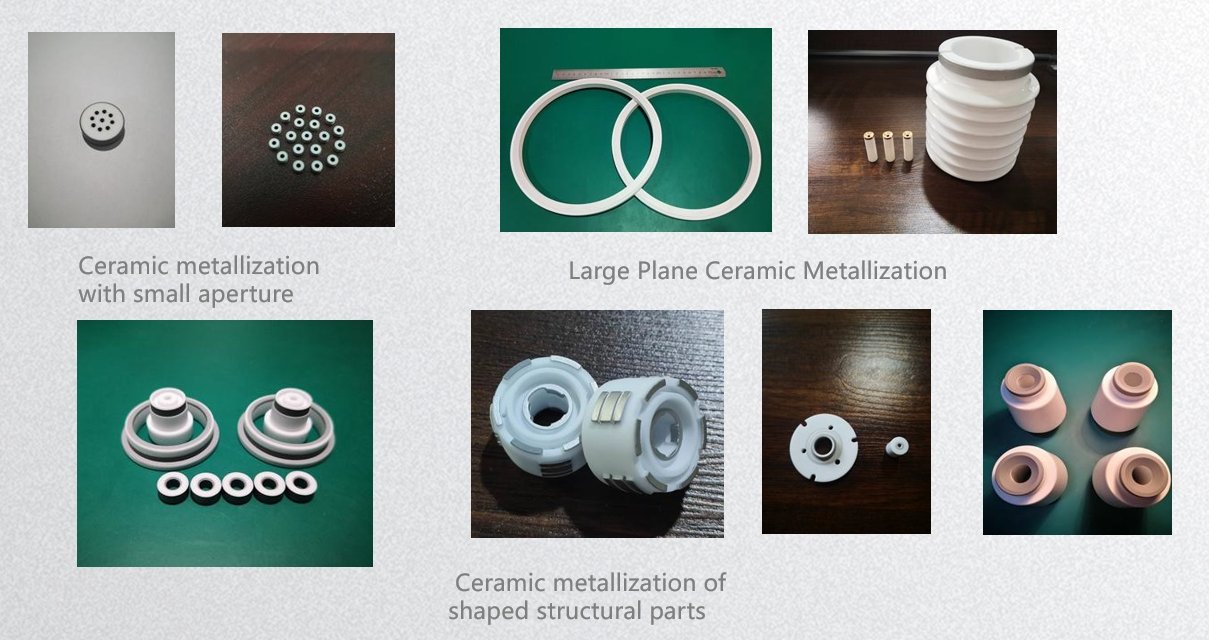
For applications requiring electrical connection, brazing, soldering, or integration with metallic components, Coraynic provides metallized alumina ceramic components.
Our metallization capabilities are designed to provide reliable adhesion between the ceramic and metallization layer while maintaining suitable solderability and brazing performance.
Metallization structures can be customized for different component geometries, including:
Small-hole metallized ceramic structures with apertures down to approximately 0.2 mm can be produced depending on component design and process requirements.
Available metallization and surface finishing options can be selected according to the required brazing, soldering, electrical connection, wire bonding, or hermetic sealing process.
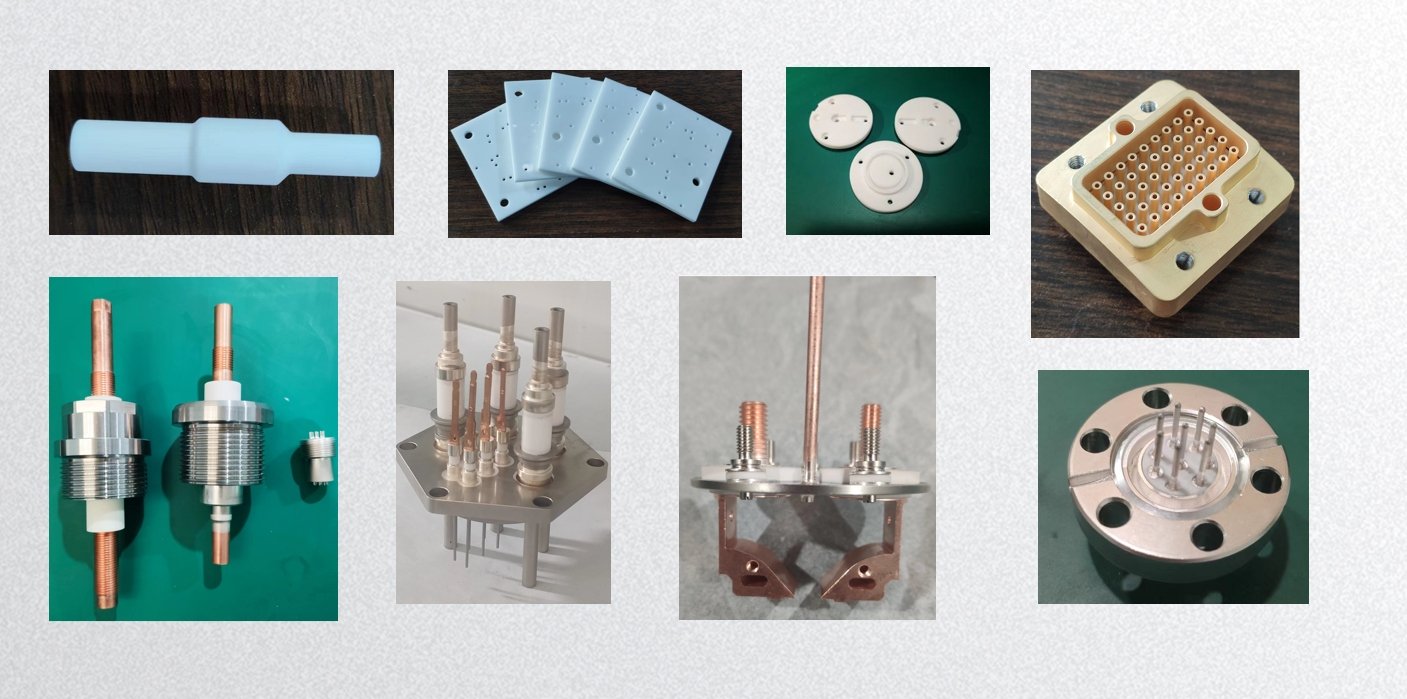
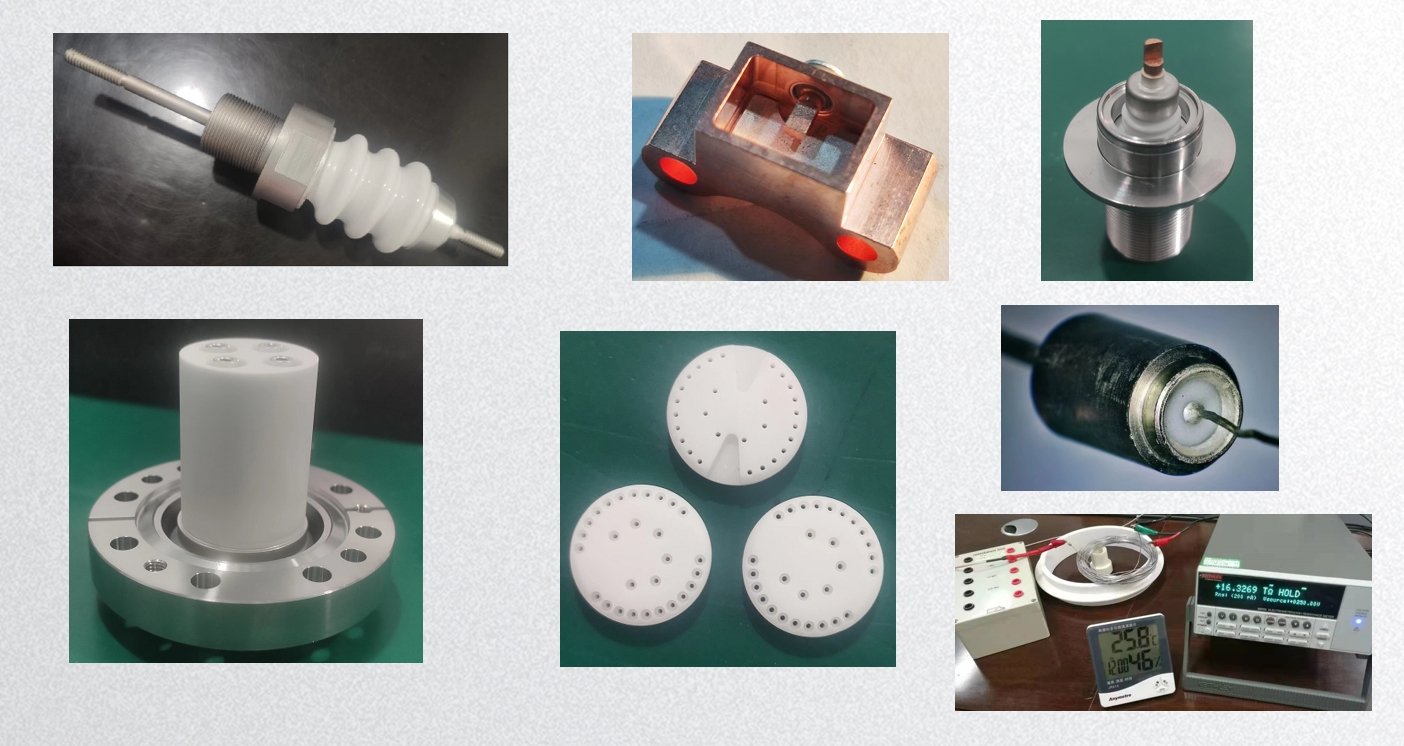
Alumina ceramic-to-metal sealing combines the electrical insulation and thermal stability of alumina with the mechanical and electrical functionality of metallic components.
These assemblies are used in applications such as:
Depending on the application, alumina ceramics can be joined with metals such as:
Joining technologies may include high-temperature brazing, active brazing, electron beam welding, laser welding, and other suitable joining processes.
The joining system is selected according to ceramic grade, metal type, coefficient of thermal expansion, operating temperature, geometry, required mechanical strength, and hermeticity requirements.
Alumina provides high electrical resistivity and dielectric strength, making it suitable for insulating components used in high-voltage, electronic, vacuum, and power applications.
Higher-purity alumina grades can provide high flexural strength and good dimensional stability for precision structural and insulating components.
Alumina maintains stable performance over a wide range of operating temperatures and is suitable for high-temperature electrical and industrial applications.
Alumina provides good resistance to many chemical environments and is suitable for wear-resistant and corrosion-resistant components.
Advanced forming, sintering, grinding, and machining processes allow alumina components to be manufactured in complex geometries and controlled dimensional tolerances.
A-95, A-97, A-99, and A-99.8 grades provide different combinations of purity, mechanical strength, electrical insulation, and chemical resistance for application-specific requirements.
Alumina ceramic components are widely used across electronics, power, vacuum, semiconductor, industrial, and high-temperature applications.
Coraynic supports OEM and customized alumina ceramic components based on:
Custom manufacturing can include:
For complex components, we can evaluate the relationship between material grade, geometry, forming method, sintering shrinkage, machining requirements, metallization, and final assembly to determine a suitable manufacturing route.
Quality requirements can be established according to customer specifications and application needs.
Inspection may include:
Material certificates, inspection reports, and dimensional inspection documentation can be provided according to project requirements.
Coraynic combines alumina ceramic manufacturing, precision processing, ceramic metallization, and ceramic-to-metal joining within one advanced-material supply chain.
Rather than supplying only standard ceramic blanks, we support customers from material selection and component design through precision manufacturing, metallization, brazing, and final ceramic-metal assemblies.
This integrated capability is particularly suitable for OEM customers requiring customized alumina components with controlled electrical, mechanical, dimensional, and sealing performance.
Looking for an alumina ceramic component, metallized alumina ceramic, or ceramic-to-metal sealing assembly?
Send us your technical drawing, sample, material requirement, dimensions, tolerance, operating conditions, or application details.
Our engineering team can review your requirements and recommend a suitable alumina grade, manufacturing process, metallization method, or ceramic-to-metal joining solution.
Contact Coraynic Technology Limited for a quotation and technical discussion.